For laboratory research use only · Batch documentation available where listed

Listed on Peptide Supermarket
Novaryn Labs

Research guides

The Novaryn Labs blog

Explore the science behind research compounds, from cellular signalling to laboratory analysis. Understand the evidence, its limitations and the questions driving further investigation.

Laboratory Testing

7 November 2026 · 5 min read

Limits of Detection and Quantification Explained

The limit of detection concerns whether a signal can be distinguished from background, while the limit of quantification concerns whether a value can be reported with acceptable performance. Explore the experimental methods, interpretation limits and open questions that shape this field.

Read the guide


Laboratory Testing

7 November 2026 · 5 min read

MALDI-TOF Mass Spectrometry in Peptide Analysis

MALDI-TOF combines matrix-assisted laser desorption and ionisation with time-of-flight mass analysis. Explore the experimental methods, interpretation limits and open questions that shape this field.

Read the guide

Metabolic Research

7 November 2026 · 5 min read

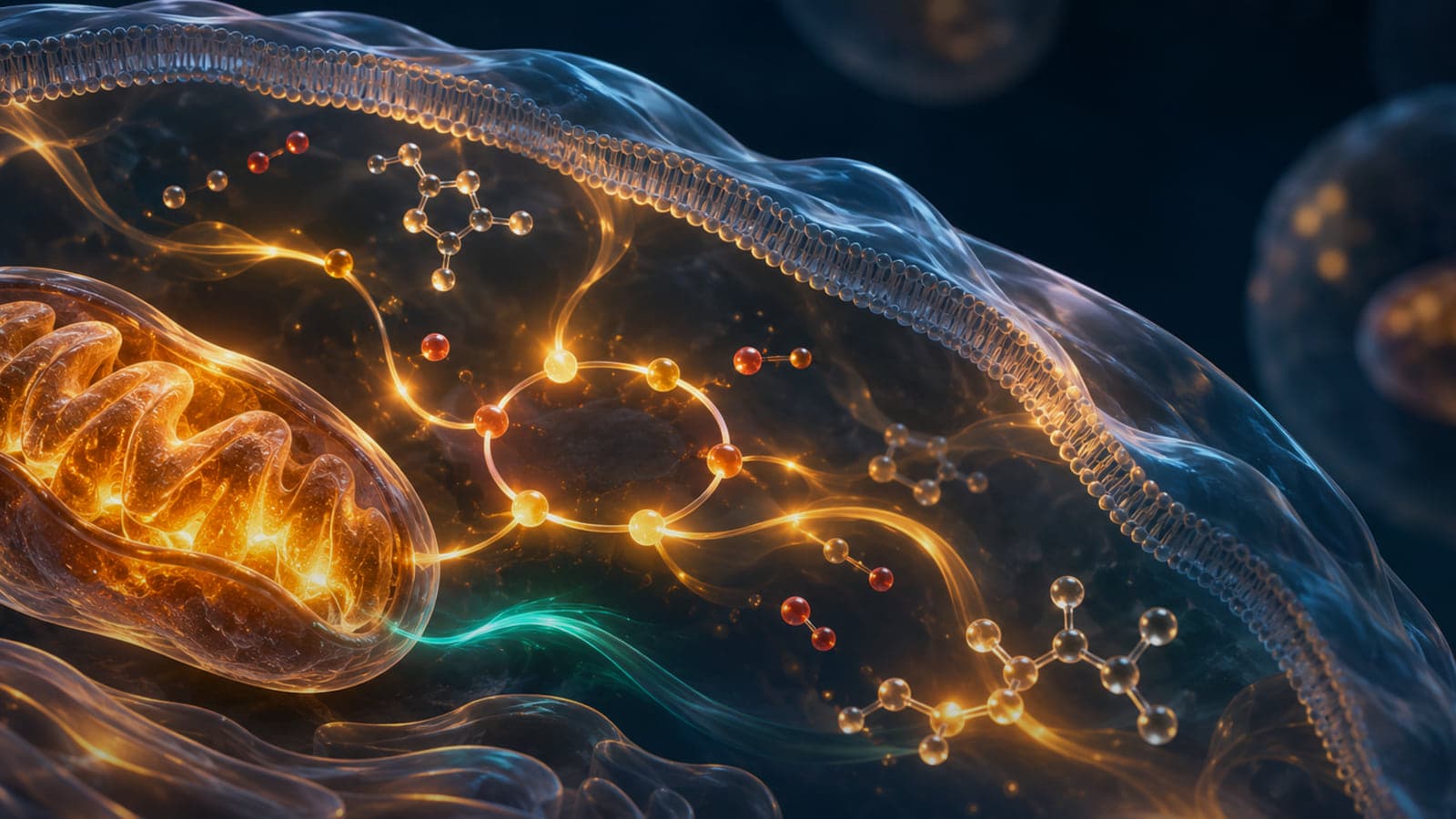
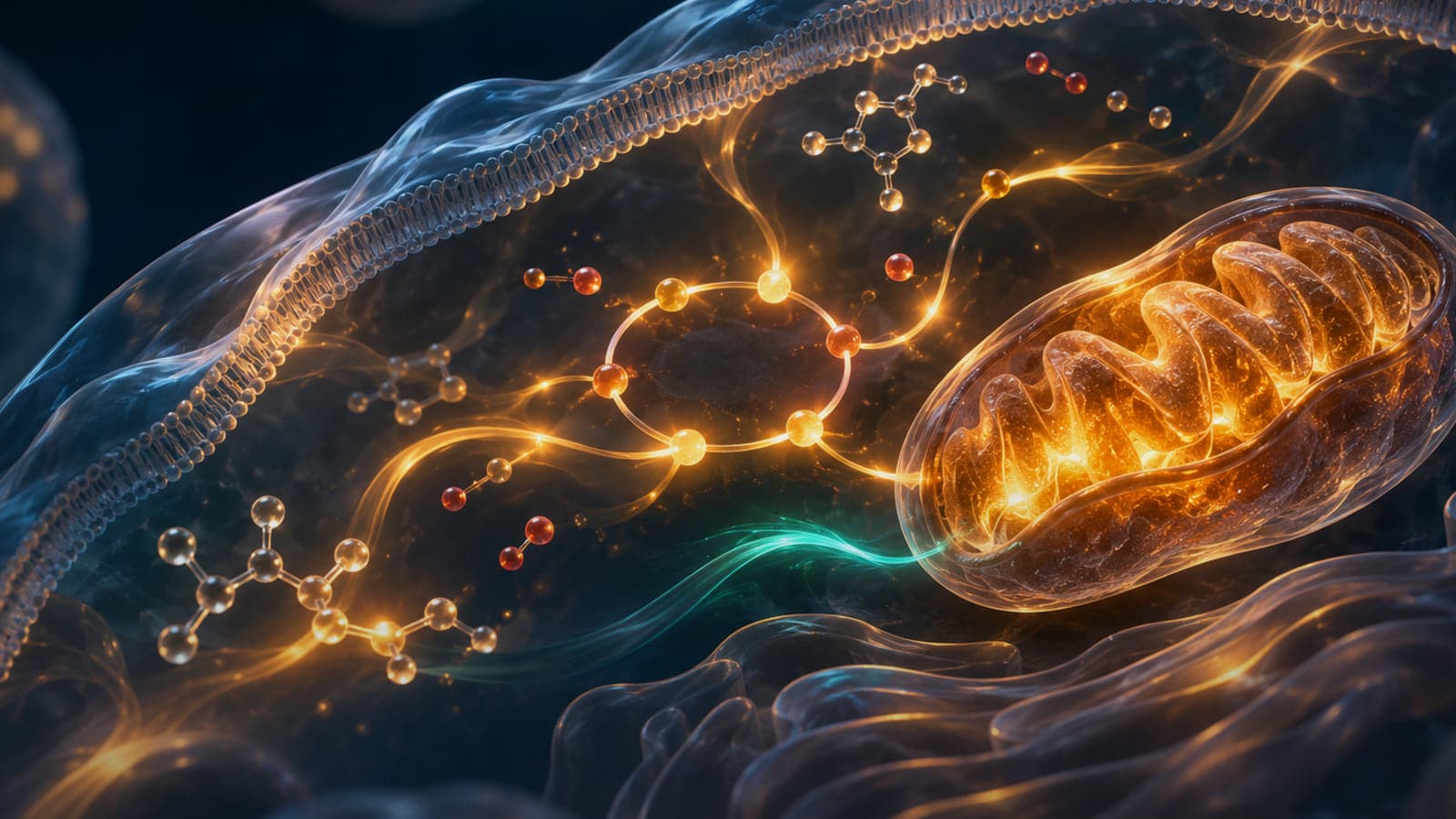
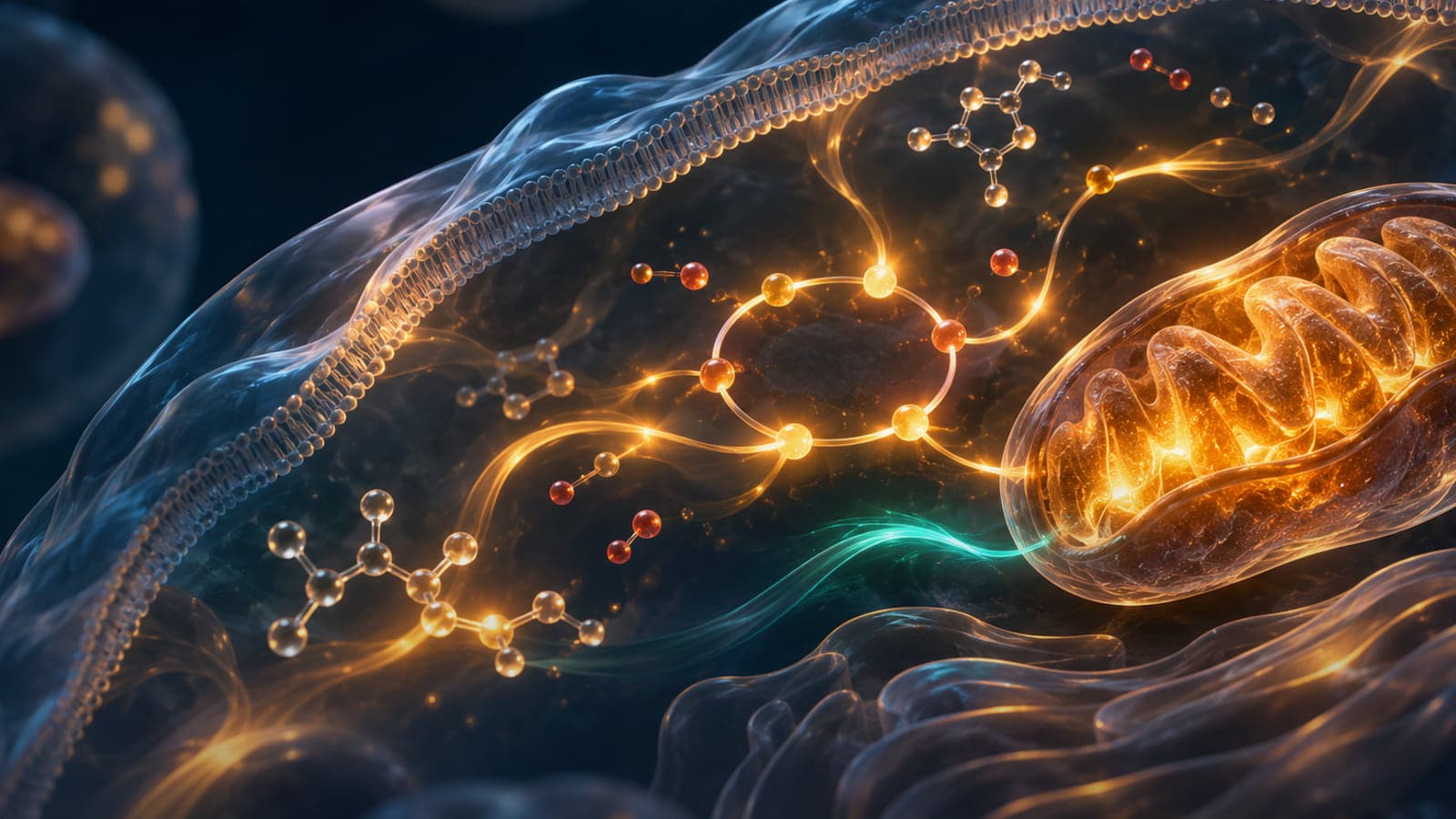
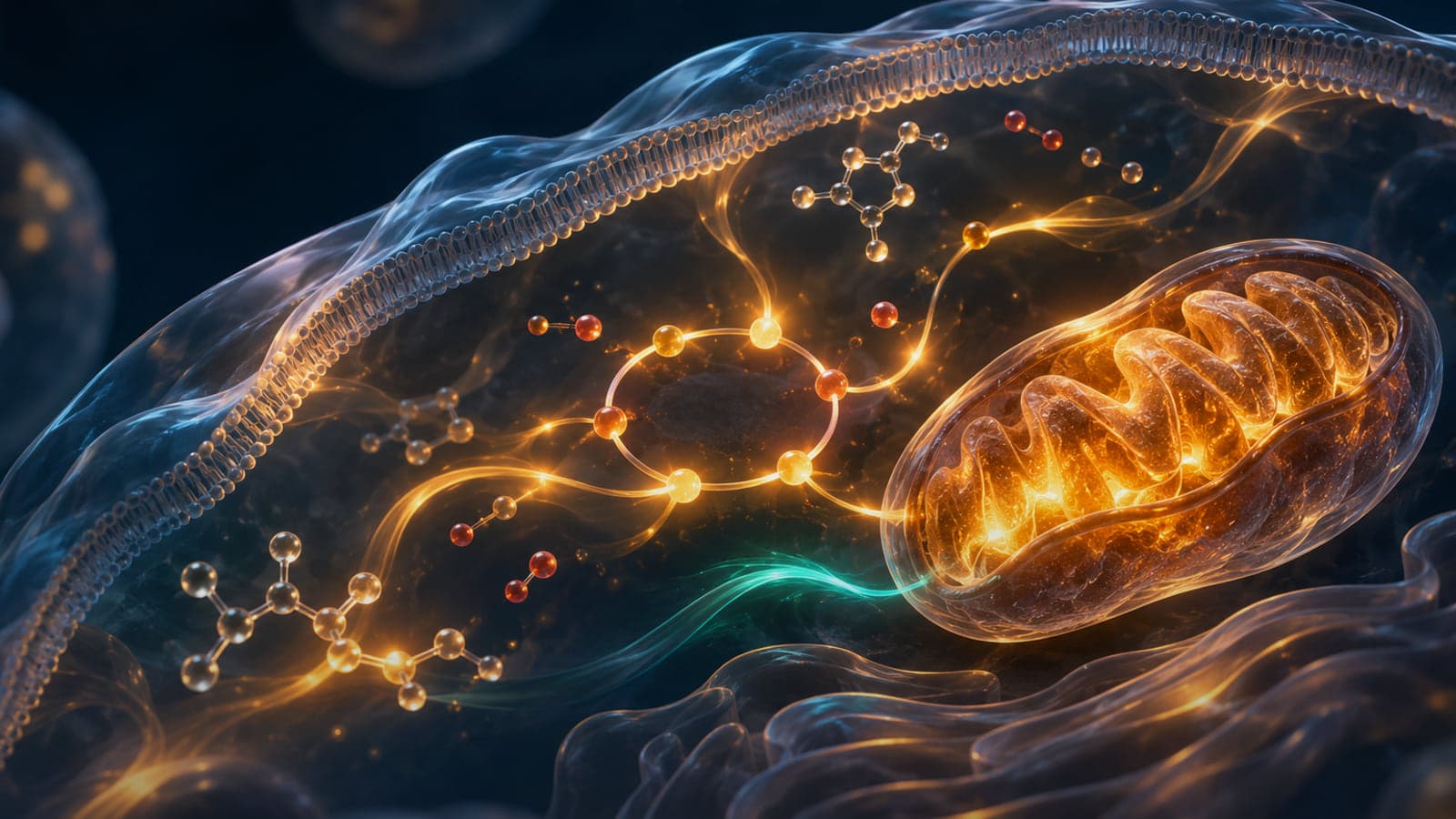
Mitochondrial Biogenesis: Building and Measuring Cellular Capacity

Mitochondrial biogenesis expands or renews mitochondrial components through coordinated nuclear and mitochondrial gene expression, protein import, membrane synthesis and organelle dynamics. Explore the experimental methods, interpretation limits and open questions that shape this field.

Read the guide

Sleep and Neuroscience

7 November 2026 · 5 min read

Neuropeptides and Brain Communication

Neuropeptides are signalling molecules released by neurons and other cells, often from dense-core vesicles. Explore the experimental methods, interpretation limits and open questions that shape this field.

Read the guide
Laboratory Testing

7 November 2026 · 5 min read

Peptide Aggregation and Particle Analysis

Aggregation occurs when peptide molecules associate into oligomers, larger assemblies or particles. Explore the experimental methods, interpretation limits and open questions that shape this field.

Read the guide